
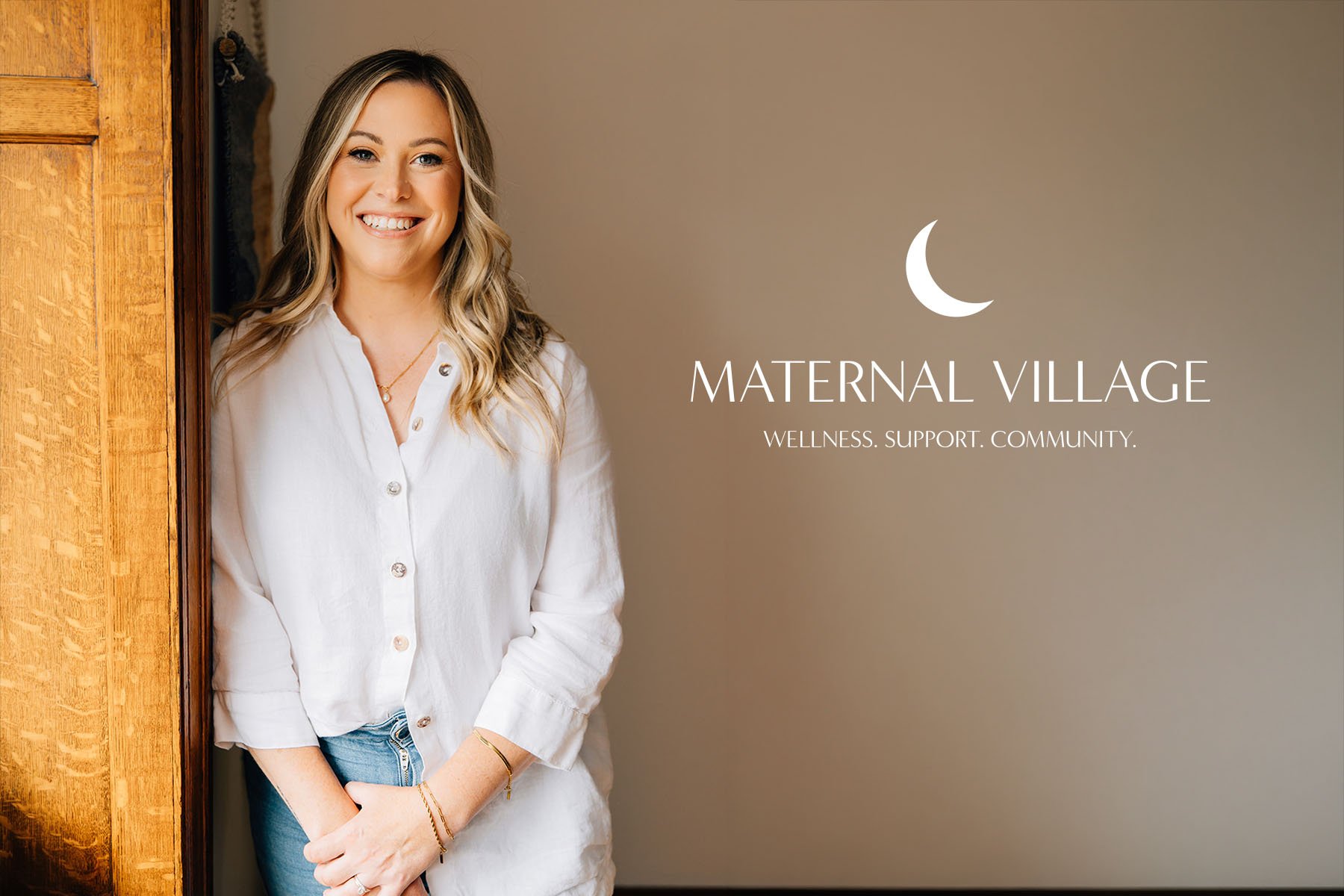
Emily Caron, CBD, CPD
Emily is a certified birth and postpartum doula and the founder of The Maternal Village. She has supported more than 180 births in Chatham-Kent.
Pregnancy comes with plenty of information, but information alone does not always help you feel prepared. Sometimes you need someone to listen to your worries, practise comfort measures with you, or remind you that you can ask another question.
After your baby arrives, that need for support continues. You are recovering, getting to know your baby and finding your way through a new rhythm of life.
This is where a doula can become a meaningful part of your village.
At The Maternal Village in Chatham-Kent, we believe families deserve compassionate support through pregnancy, birth and postpartum. Understanding what doulas do, and where their role ends, can help you choose the birth support that feels right for you.
What is a doula?
A doula is a trained professional who provides non-medical emotional, physical and informational support. Birth doulas support families as they prepare for birth, during labour and in the early hours afterward. Postpartum doulas help families adjust to life with a new baby.
A doula is not a midwife; they work alongside your healthcare team. Your doctor, midwife and nurses provide clinical care, while your doula focuses on your comfort, confidence and experience.
What birth doulas do
Help you prepare
Before your birth, a doula gets to know you: your hopes, concerns, preferences and the people who will support you. Together, you can discuss what labour may look like, practise comfort measures and prepare questions for your care provider.
Your doula can help you create birth preferences while leaving room for circumstances to change. Preparation is about understanding your options and knowing who you can turn to.
Offer comfort and reassurance
During labour, support might include breathing together through contractions, offering counterpressure or gentle touch with your permission, helping you explore comfortable positions, or creating a quieter environment.
Sometimes it means encouraging your partner. Sometimes it means sitting beside you when things feel overwhelming.
Your doula adapts their support to your wishes and circumstances, working within any guidance from your clinical team.
Support your voice and choices
Medical conversations can feel difficult to follow during labour. A doula can help you identify questions, ask for clarification and communicate your preferences.
You might want to ask, "What are the benefits and risks?" or "Is there time to talk things through?"
Your doula supports your participation in those conversations. You make decisions with your healthcare provider, based on your circumstances and what matters to you.
Include your partner
Partners, or whoever you've chosen to support you, often want to help but may feel unsure about what to do. A doula can show them practical ways to offer comfort, reassure them and help them take a break when needed.
Your partner brings their relationship with you. Your doula brings experience supporting birth. Together, they can form a supportive team.
What postpartum doulas do
Postpartum support centres on the whole family as you recover and adjust.
Depending on the doula's services and your agreement, this may include:
Listening without judgement as you talk about birth and new parenthood.
Helping you build confidence with diapering, soothing and everyday newborn care.
Providing basic feeding information within their training.
Caring for your baby while you rest, shower or eat.
Preparing simple meals or helping with light household tasks.
Helping partners find their footing.
Connecting you with additional professional or community support.
A postpartum doula offers practical help while supporting your confidence as a parent. Ask what is included, since services and availability vary.
What doulas don't do
Provide medical care
In their doula role, doulas do not perform vaginal examinations, monitor your baby's heart rate, diagnose conditions, prescribe or administer medication, or deliver your baby.
They do not determine whether you or your baby is medically well. Questions about symptoms, recovery or your baby's health belong with the appropriate healthcare provider.
Make decisions for you
A doula does not choose your birth plan or tell you to accept or refuse a procedure. They can help you find information and prepare questions, but personal medical advice comes from your clinical team.
Your preferences deserve respect, including when they change.
Require a particular kind of birth
You do not have to plan an unmedicated birth to benefit from a doula.
Doula support can be valuable with an epidural, during an induction, or around a planned or unexpected caesarean birth. Access to operating and recovery rooms depends on hospital policies and clinical circumstances, so if you're giving birth at Chatham-Kent Health Alliance, ask your doula what to expect.
There is no single way to give birth that earns you support.
Guarantee an outcome
A doula cannot promise a particular birth experience, prevent every intervention or ensure that a birth plan unfolds exactly as written.
Their commitment is to support you through the experience, including when plans change.
Replace specialist care
A doula can listen, offer encouragement and help you connect with services. Doula support does not replace psychotherapy, medical care or assessment by a lactation consultant.
Knowing when to refer is an important part of supporting families well.
Do I need a doula if I already have a midwife or supportive partner?
You can benefit from doula support alongside either.
A midwife is responsible for clinical care. A partner offers personal connection and support. A doula adds focused emotional and practical support, with experience helping families through birth and postpartum.
The right combination depends on your needs, preferences and resources.
Finding your village
When choosing a doula, ask about their training, approach, availability, backup arrangements and what their support includes. Notice how you feel in the conversation. Can you ask questions freely? Do you feel listened to? Are your choices respected?
At The Maternal Village, we believe support begins with that sense of trust.
Whether you are preparing for your first baby, welcoming another child or looking for help after birth, you deserve care that makes room for your questions, your feelings and your family.
Connect with The Maternal Village to learn about our birth and postpartum doula services in Chatham-Kent, from our space on Victoria Avenue in Chatham, and explore what support could look like for you.
Emily Caron is a certified birth and postpartum doula and the founder of The Maternal Village. She has supported more than 180 births in Chatham-Kent.
